News
Events
Flagships
AFA Forum 2026 Day 2
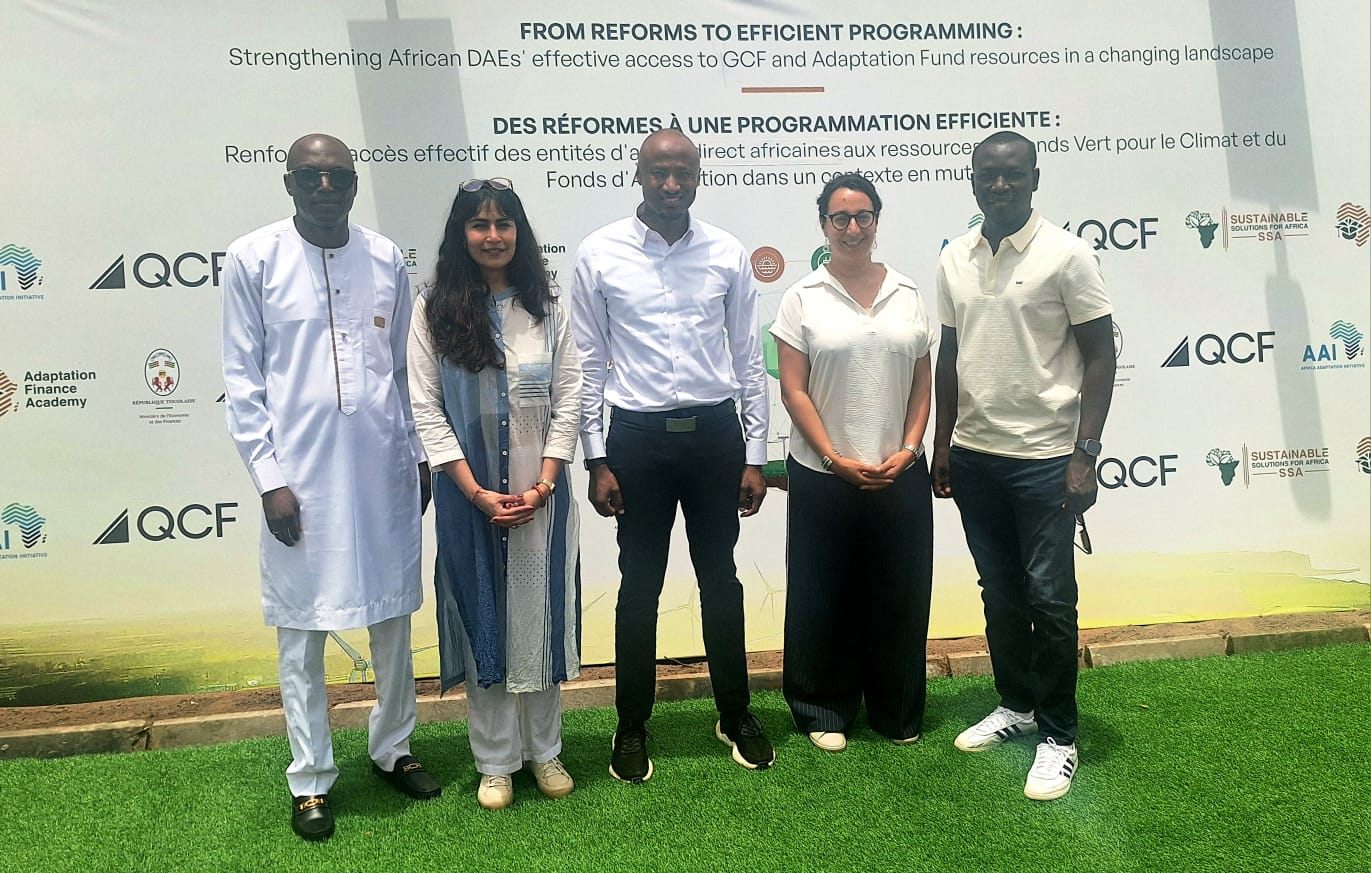
AFA Forum 2026, Day 2: Hard Questions, Honest Conversations
Day 2 opened with a recap of Day 1 before moving into a packed and highly interactive programme. Four sessions covered the GCF's next strategic plan, the Country Platforms approach, the Efficient GCF agenda, and what all of this means concretely for African accredited entities.
Shaping the GCF's Next Strategic Plan
The morning began with a workshop on GCF's third Updated Strategic Plan (USP-3), which will cover the 2028 to 2031 programming period. The GCF team walked participants through the consultation process and confirmed that the AFA Forum is formally listed among the key events informing USP-3 development.
Participants first reflected on USP-2, reviewing progress data and debating whether current priorities still fit their countries' needs. Three interactive breakout sessions followed, examining experience with the current strategic plan, regional climate finance needs and gaps, and GCF's positioning within an increasingly fragmented multilateral landscape. The discussions were lively. Participants engaged directly with GCF representatives and did not hold back on their expectations for the next cycle.
Country Platforms: A New Programming Logic
The second session introduced GCF's Country Platforms approach, a shift toward government-led coordination mechanisms that translate national climate commitments into investable pipelines and align stakeholders around a shared vision.
The session made a strong case for positioning accredited entities as system integrators across the full platform lifecycle, from early diagnostics and pipeline development to financing and implementation oversight. For African DAEs, the GCF Readiness Programme offers a concrete entry point, with up to USD 7 million available per country for platform-related work. Togo was cited among twelve countries that announced new country platforms in 2025, giving the discussion particular relevance in the room.
Participants engaged actively, probing the practical conditions needed for smaller entities to take on meaningful coordination roles and sustain them over time.
The Efficient GCF and the 9-Month Project Cycle
Presented by Yvonne Serwaa Forkuo, this session addressed the GCF's commitment to reviewing concept notes and funding proposals within nine months. The opening question to participants, asking how long it had actually taken their institutions to develop a GCF proposal, set an honest tone that carried through the entire discussion.
The key clarification landed clearly: the nine-month target covers GCF's review time only. It does not include the time entities need to develop a full proposal. The bar for quality at entry is now high, and submissions must arrive with coherent and strong climate justification, documented country ownership, sound financial structure, and complete documentation from the start.
Participants discussed both the risks, including capacity strain, partner delays, and internal governance bottlenecks, and the opportunities, including faster Board access and more structured GCF engagement for well-prepared entities. The session closed with practical strategies: strengthen pre-development work, build dedicated internal task forces, engage partners early, and align timelines to GCF Board meeting dates.
What Do These Reforms Mean for African DAEs?
The final session brought the day's threads together in a bilingual panel and plenary discussion. Questions were posed in both English and French, asking participants to name the reform that creates the most significant challenge for their institution, describe one concrete adjustment they are making or need to make, and identify what single change in how the funds engage with African entities would have the most impact.
The exchanges were candid. Participants spoke from their own institutional experience. The session did not produce easy answers, but it gave the room a sharper collective picture of where African DAEs stand as the reform agenda accelerates, and what they need from the funds to keep pace.
Day 3 will move into financial instruments, the Adaptation Fund's medium-term strategy, and the practical mechanics of readiness and capacity support.