Events
News
Flagships
AFA Forum 2026 Opens in Togo
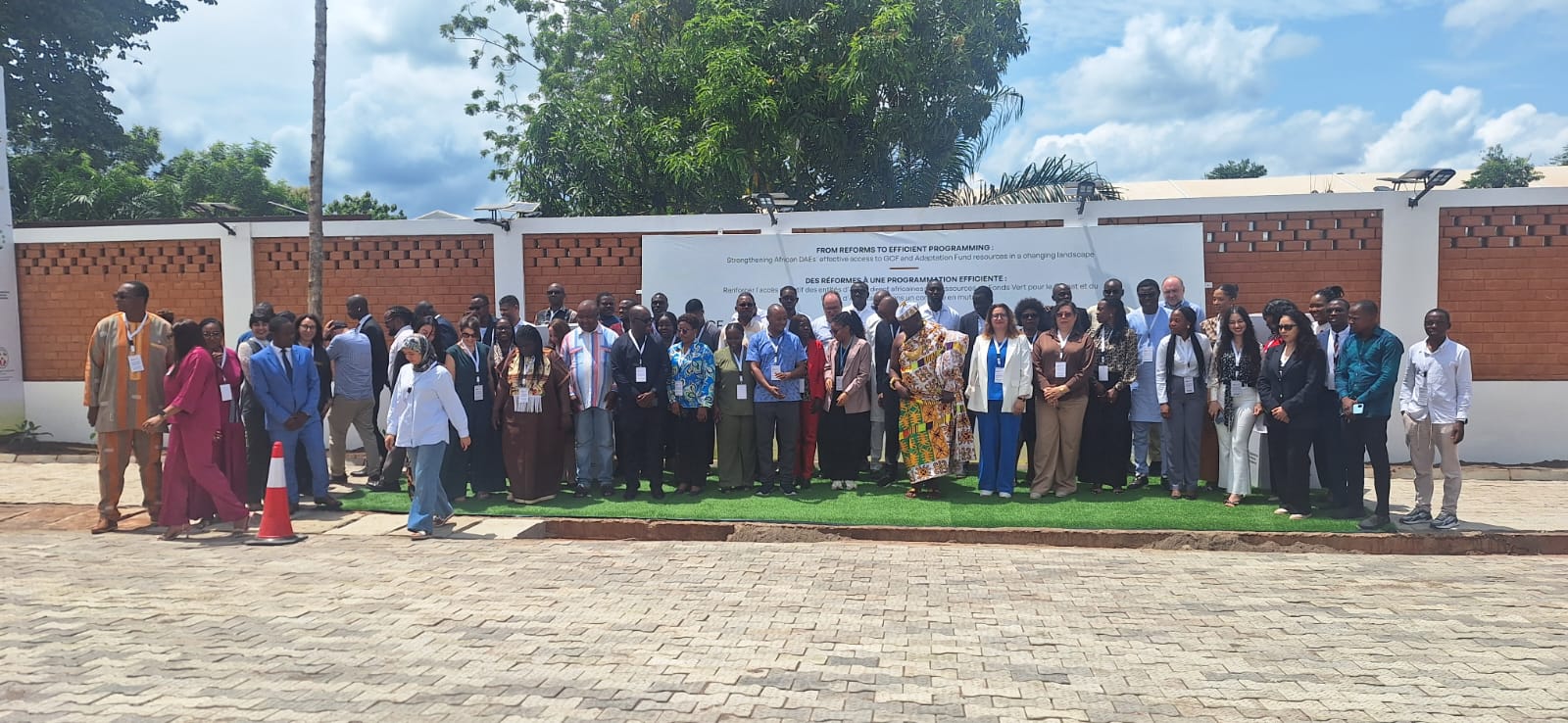
AFA Forum 2026 Opens in Togo: African DAEs Convene to Navigate a Shifting Climate Finance Landscape
Nestled in the green heartland of Togo's Kévé prefecture, the Ecoverse village of Zogbépimé, itself a living testament to the power of African-led sustainable development, hosted the opening of the 2026 Adaptation Finance Academy Forum (AFA Forum).
The AFA Forum 2026 is co-convened by the Africa Adaptation Initiative (AAI), Sustainable Solutions for Africa (SSA), and the Adaptation Finance Academy (AFA), with the support of the Quadrature Climate Fund (QCF), in close partnership with the Republic of Togo.
For three days, representatives of 33 institutions from 27 countries across Africa gathered under the theme: "From Reforms to Efficient Programming: Strengthening African DAEs' Effective Access to GCF and Adaptation Fund Resources in a Changing Landscape."
A Welcome Rooted in Purpose
The tone was set from the very first moments. Mme Sandra Freitas, Head of Sustainable Solutions for Africa (SSA) and the visionary behind the Ecoverse village project itself, warmly welcomed participants, extending her gratitude to the delegations who had travelled from across the continent. That the Forum was taking place on the very ground SSA had helped transform was no coincidence, it was a deliberate statement about what African ownership of climate solutions looks like in practice.
The village Chief of Zogbépimé followed with a solemn address, formally declaring the AFA Forum 2026 open and expressing his community's deep sense of pride in hosting such a gathering. His words carried the quiet authority of someone who understands that climate adaptation is not an abstraction, it is the land, the water, the harvest.
The Mayor of the commune and a representative of Togo's Ministry of the Environment also took the floor, voicing their country's joy at welcoming an event of this calibre. Togo's engagement signalled something important: national governments are watching, and they see the Forum as a platform that matters.
The Green Climate Fund (GCF) itself was present on the ground, with three of its representatives attending in person. Visibly moved by the setting, they offered warm words of gratitude to the organisers, noting that the Ecoverse village embodied precisely the kind of transformative vision the climate finance system exists to support. "Thanks for bringing to life what we are all here for". Both GCF representatives made clear their openness to engage bilaterally with participating institutions throughout the Forum, a signal that was not lost on the accredited entities present.
Why This Forum, Why Now
The AFA Forum is an annual convening space created under the Africa Adaptation Initiative (AAI) framework, bringing together African Direct Access Entities (DAEs) — the national and sub-national institutions accredited by the GCF and the Adaptation Fund to channel climate finance directly to communities. The Forum's core mission is practical: to build the capacity of these entities, to surface common challenges, and to collectively strategise about how African institutions can better access, deploy, and account for the resources they need to drive adaptation at scale.
The 2026 edition arrives at a particularly consequential moment. The global climate finance landscape is in flux. Donor country budgets are under pressure. Official Development Assistance (ODA) is being reprioritised. Competition for climate resources is intensifying. Meanwhile, both the GCF and the Adaptation Fund are undergoing significant institutional reforms from, revised accreditation frameworks to accelerated project cycles that will directly affect how African entities engage with these funds. The Forum's central question is not rhetorical: how do African DAEs adapt to a system that is itself adapting?
Day One: Taking Stock, Looking Ahead
Following the opening ceremony, Day 1 moved swiftly into substantive territory.
The first session set the Scene by offering the participants a candid overview of implementation progress under both the AFA programmes and APIA through its coordinator Mr Koffi Koumassi, as well as their respective 2026–2027 workplans, followed by engaging and engaged Q&A seeions. With the institutional architecture of both programmes firmly in view, the room was primed for the harder conversations ahead.
In second instance, a very insightful and eye opening session on Global Geopolitical Dynamics and Their Implications for Climate Finance sharpened the stakes. Bringing the focus on how the world has shifted over the past three years, rising debt burdens, inflation, the reprioritisation of ODA, and deepening fractures within the multilateral system, and what these shifts mean for climate finance flows to Africa. Including thought provoking assessment and interventions of Amb Seyni Nafo weighing in with his experience and realistic perspective.
The GCF USP-3 Consultative Workshop was on the schedule and initiated an interactive, session, with the GCF currently developing its third Unified Strategic Plan (USP-3), this session gave African accredited entities a direct voice in shaping the Fund's future direction. Participants reflected on what had and had not worked under the current USP-2, mapped out regional climate finance gaps and priorities, and formulated concrete inputs on the Fund's programming focus, operational approach, and role within the broader climate finance ecosystem.
The afternoon also featured a timely contribution from the Adaptation Fund. Naysa Ahuja, Accreditation Officer from the Fund's Countries and Partnerships Team, walked participants through the end-to-end accreditation pathway, from nomination by a Designated Authority through to final Board approval, and outlined the accreditation modalities available to entities, including the streamlined pathway for smaller organisations and the fast-track route for entities already accredited by the GCF. She also shared the most significant development from the Adaptation Fund's 46th Board meeting for instance a proposal to shift to continuous accreditation with trigger-based compliance reviews as the Board has also granted an extension of accreditation to all currently accredited implementing entities until 31 October 2027, providing important breathing room while the new framework is finalised.
Two Days to Go
Day 1 closed with a summary of the day's discussions and a preview of what lies ahead. Wednesday and Thursday will take participants deeper into the mechanics of reform, from the GCF's Revised Accreditation Framework and the "Efficient GCF" agenda, to post-approval project challenges, financial instruments, and the future of the Adaptation Fund's readiness strategy. Breakout clinics will offer tailored technical support to individual entities wrestling with specific accreditation or pipeline challenges.
The AFA Forum 2026 has begun not with declarations, but with work. In a village that itself embodies the promise of African-led climate action, that feels exactly right.